Expert Tips for Efficient Dumpster Loading
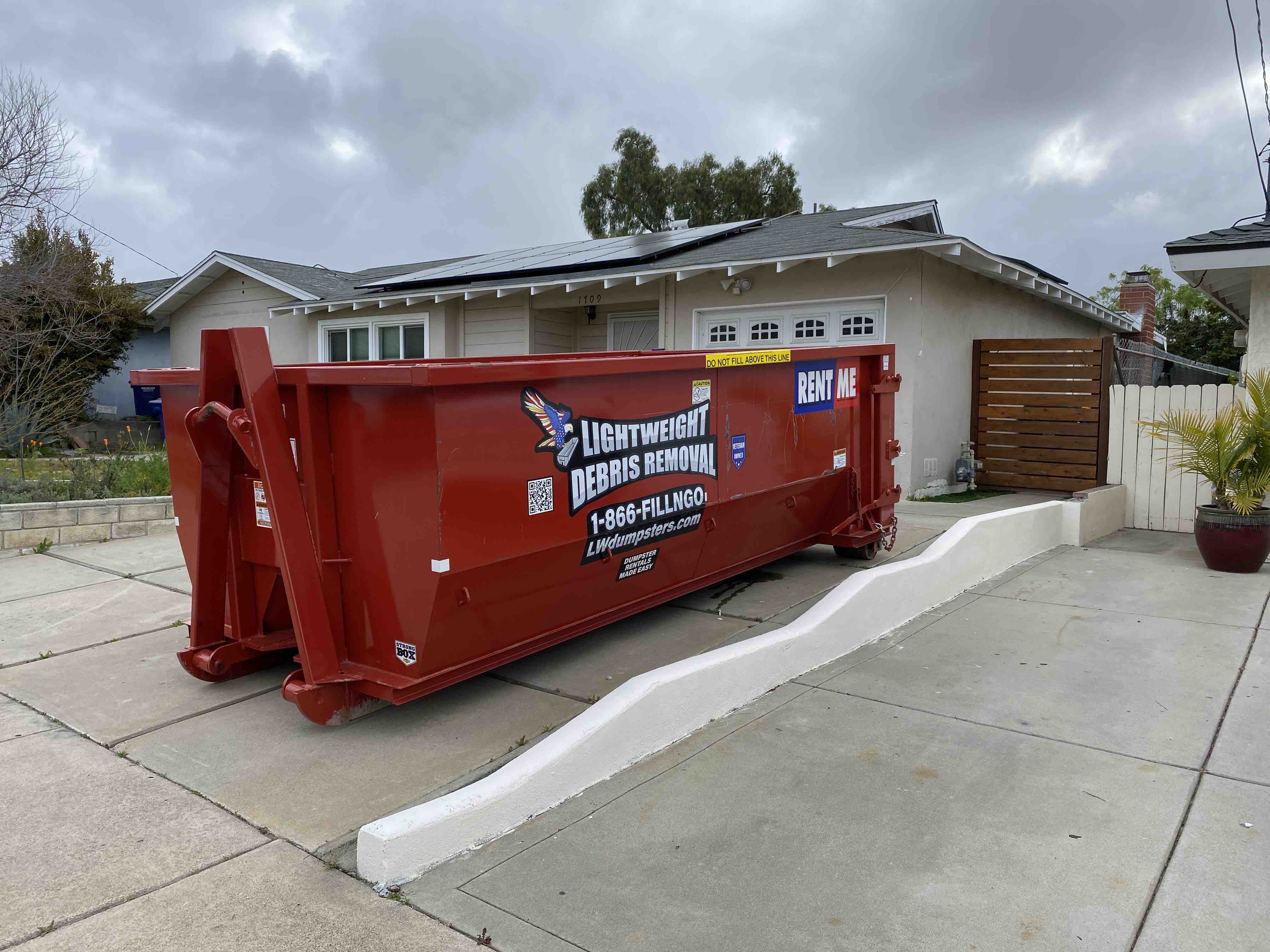
If you're managing a construction, renovation, or decluttering job, you might think dumpster loading is an easy step. However, how materials are arranged can greatly influence space efficiency, safety, and speed. Most people don’t realize how much strategy goes into correct dumpster loading, resulting in inefficient space use, potential danger, and extended work time.
At Lightweight Debris Removal, we stress the importance of loading a dumpster correctly just as much as selecting the proper size. Taking an organized approach maximizes container use while ensuring a secure and efficient workspace. We strive to help every customer make the best use of their dumpster service by teaching proper loading techniques that reduce mess, prevent breakage, and simplify disposal.
Planning Before You Start Loading
Before filling the dumpster, taking time to organize is essential. Assess your waste materials to determine what can be recycled or requires specific disposal. Pre-sorting creates efficiency and minimizes the hassle of re-sorting mid-process. Separating risky materials improves safety and prevents potential accidents.
Planning how items will be loaded is another critical step. Place heavier or bulkier items first to form a solid base. Then add lighter or smaller debris to fill remaining gaps. Proper planning prevents uneven distribution and potential shifting during transport. Strategic organization leads to safer, faster, and more effective loading results.
Smart Space Management for Dumpster Loading
Effective space management is essential for optimal dumpster use. Large or bulky debris should be dismantled to conserve room. Flattening boxes, removing doors, and taking apart parts allows more capacity and prevents wasted space. This lets you load more effectively and maintain even weight distribution.
You can also use a layering technique for smarter space allocation. Use sturdy flat pieces as a bottom layer. Then alternate with lighter items to fill gaps efficiently. Avoid stacking debris past the dumpster’s top edge to maintain safety. Proper layering not only optimizes space but also enhances organization and safety.
Ensuring Safety While Loading a Dumpster
Keeping safety in mind throughout the loading process is vital. Wearing gloves, strong shoes, and protective gear helps prevent cuts and injuries. Check the surrounding space for any obstructions or items that may cause falls. Maintaining situational awareness prevents accidents and improves teamwork.
Refrain from throwing objects into the dumpster carelessly, because this might lead to unstable loads or dented surfaces. It’s safer to position items gently and intentionally. For heavy items, always lift with help to stay safe. By practicing caution, you maintain both productivity and protection on-site.
Efficiently Sorting and Arranging Materials
Keeping materials sorted throughout the loading process is essential for maintaining efficiency. Keep comparable debris types—such as wood, metal, or general trash—segregated. This practice makes loading and unloading smoother while simplifying disposal later. It also helps identify recyclable items, cutting down waste and supporting eco-friendly practices.
Keeping materials organized reduces the need to rearrange items once they’re inside. Position lighter, flexible materials toward the top layer and heavy ones beneath. This method prevents wind from scattering light materials and keeps the dumpster balanced. Consistent organization results in a faster, safer, and more productive cleanup process overall.
Protecting Your Property During Dumpster Use
Though dumpsters are designed for strength, the ground beneath them may not be. Placing wooden planks or similar barriers underneath distributes weight and prevents surface damage. This easy precaution helps maintain the integrity of your property during the project.
Where you position the dumpster affects both convenience and safety. Select a flat, accessible space that allows for smooth loading and avoids blocking driveways or walkways. Keep it at a safe distance from fences, walls, or gardens that might be impacted. By combining smart placement with surface protection, you create a safer and cleaner workspace.
Boosting Productivity on Large-Scale Cleanups
Major cleanup efforts can produce a steady stream of waste that requires planning. Prepare a sorting zone to prearrange waste and make the loading phase smoother. It promotes even weight distribution and reduces inefficiencies mid-project.
Teamwork and clear communication are essential to efficient operations. Assign crew members to specific duties such as sorting, lifting, or compacting debris. A coordinated team ensures a quicker and more streamlined workflow. Planning and cooperation are vital for completing big projects without unnecessary setbacks.
Understanding Restricted Dumpster Items
Not all waste materials belong in a standard dumpster, and knowing what’s restricted is vital. Hazardous chemicals, paints, and specific electronics must be disposed of through proper channels. Placing these inside a dumpster may cause environmental harm or disposal complications. Verify acceptable items beforehand to avoid penalties or issues.
Avoid exceeding the dumpster’s weight or fill limit to prevent safety risks. Overflowing containers lead to instability and may require extra handling. Proper loading maintains safe handling and regulatory compliance. Keeping within restrictions prevents delays and complications at pickup time.
Choosing a Dependable Dumpster Rental Partner
Collaborating with a dependable provider makes any cleanup smoother and more efficient. Lightweight Debris Removal delivers dependable and professional dumpster solutions to simplify cleanup for any project. We ensure on-time delivery, responsive assistance, and easy pickup for every customer.
Selecting a customer-focused company enhances your rental experience. Prompt support, transparency, and reliability help maintain project flow. Lightweight Debris Removal remains committed to supporting customers in achieving clean, safe, and efficient waste solutions.
Maintaining a Clean and Efficient Project Site
The way you load your dumpster can significantly affect project performance. A clean, well-kept work area enables smooth task flow and better teamwork. With smart loading strategies, cleanup becomes an effortless part of the workflow.
Lightweight Debris here Removal inspires users to view dumpster loading as an opportunity for improvement. It provides an opportunity to improve safety, efficiency, and environmental care. By planning ahead and working smartly, you can make waste removal a seamless part of every project.